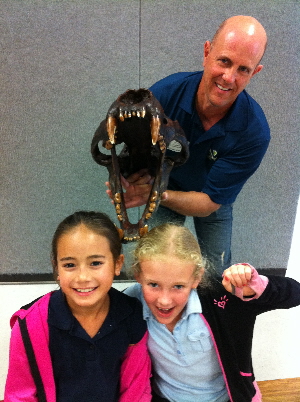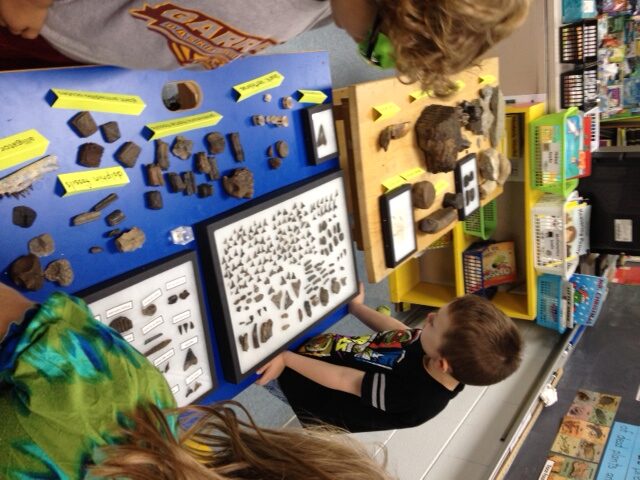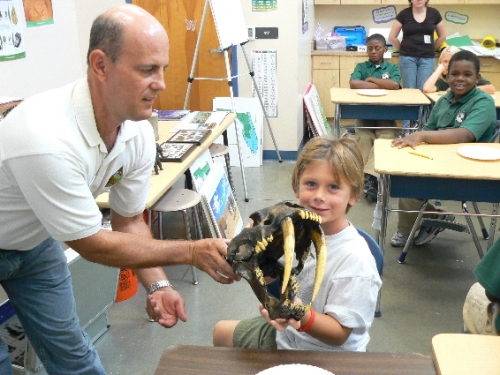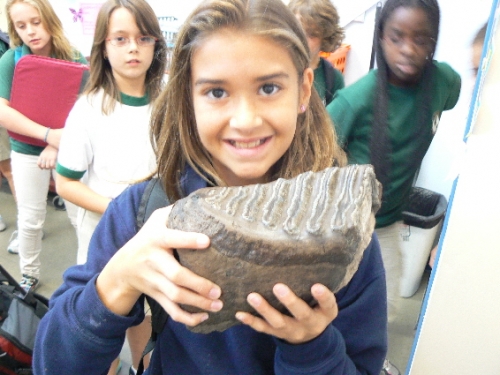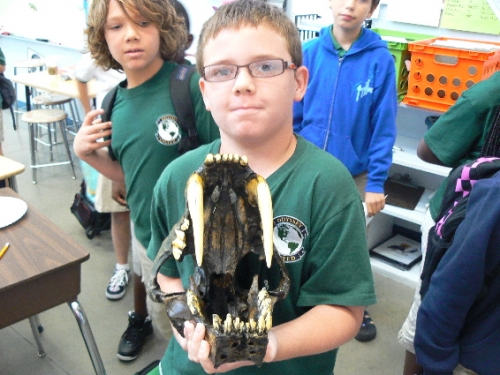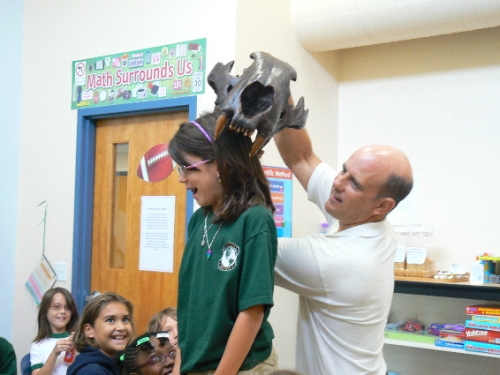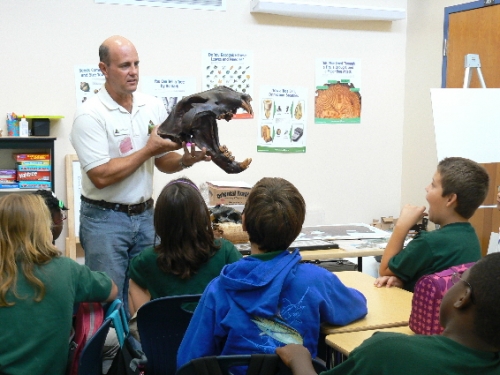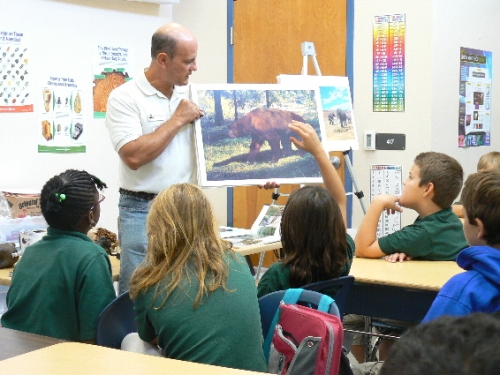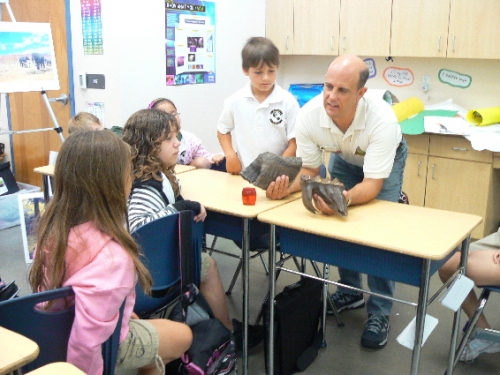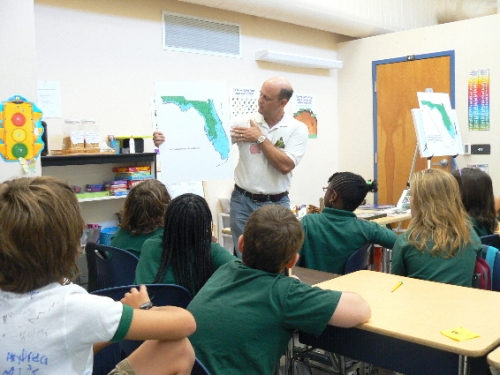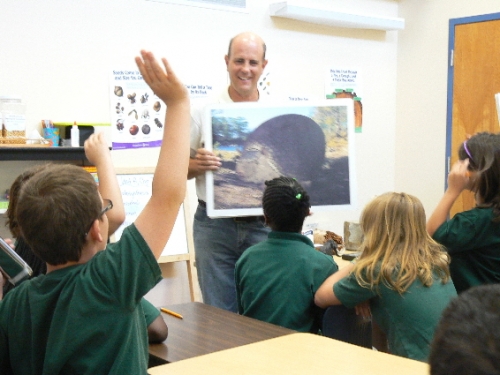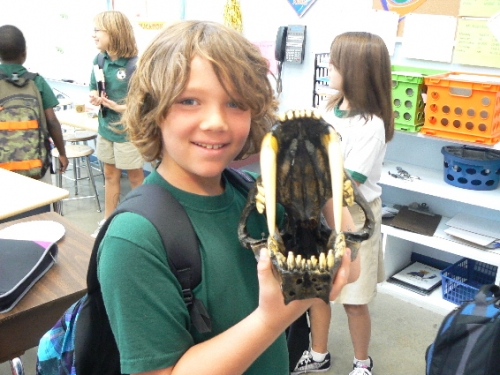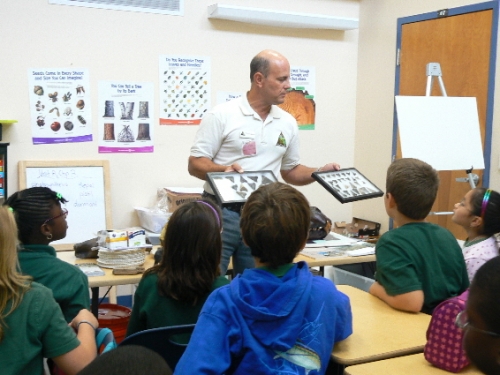

Fossils are the remains of ancient life. These remains can be from virtually anything that ever lived- bacteria, plants, dinosaurs or humans just to name a few. Fossils can be mineralized remains of actual living things such as bones or teeth or can even be just impressions in rock. Dinosaur tracks and plant leaf impressions fall into this category and are known as trace fossils. Florida fossil history reveals millions of years of marine and Ice Age life preserved beneath the state. The scientific study of fossils is known as paleontology, a field that helps researchers understand Earth’s ancient environments.
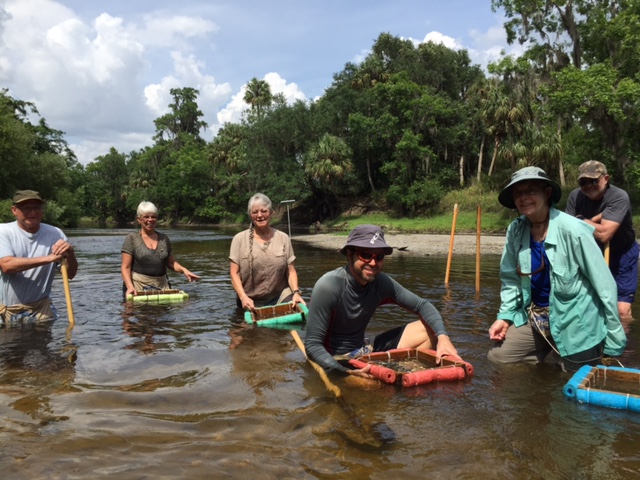
Since fossils were formed in the ground and under water, they are most commonly found where wind or water erode them from the ground. River bottoms, beaches, deserts, cliff faces or hillsides are just some of the many places fossils can be exposed. They are also commonly found during excavation projects such as construction, dredging or mining.
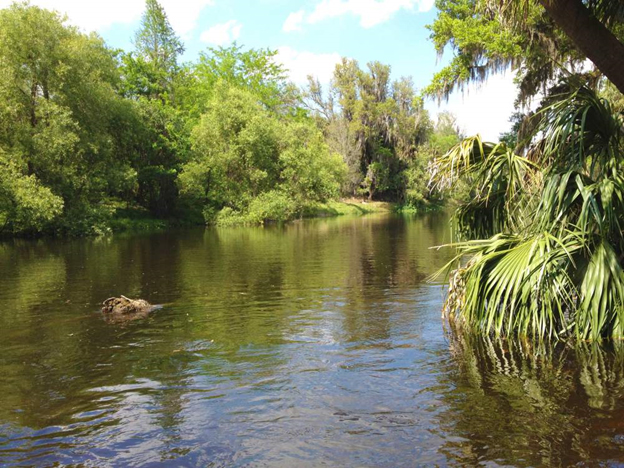
Florida is known as one of the richest areas for fossils in the world. There are a few reasons for this, one of which is it’s geological history. There has been very little geological volatility such as earthquakes or volcanic eruptions to disturb the ancient record of life in this state. Also, an extensive river system seems to have been a part of Florida’s landscape for a very long time. This contributed greatly to the amount of fossil material to be found here as it is a key factor in the preservation of animal and plant remains. Anything that dies and is quickly buried by sediment is more likely to fossilize well. Due to Florida’s long history of sea level rise and fall, this means anything from mammoths to sharks can be found here!
Want to experience Florida fossil history in person? Join one of our guided fossil hunting tours and discover real fossils with our expert team.
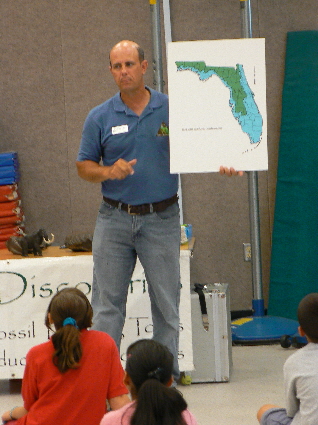
Florida’s surface fossil record goes all the way back to the Eocene epoch, approximately 50 million years ago. During that time the ocean covered the entire state.
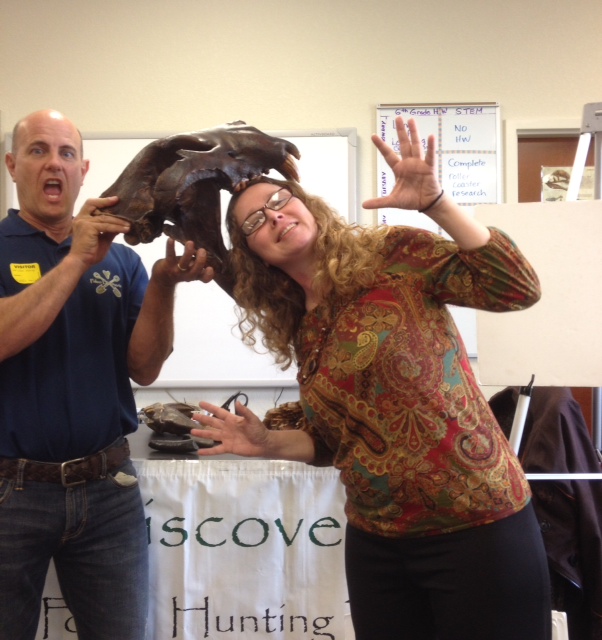
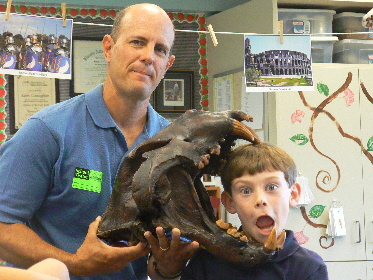
The list of animals that have been found here is very extensive and many books have been written about them. On that list are 60-foot sharks, stingrays, fish, whales, dugongs, manatees, dolphins, walruses, seals, alligators, crocodiles, turtles snakes, birds, mastodons, mammoths, antelope, bison, camels, ancient horses, giant armadillos, 20-foot sloths, saber-tooth cats, enormous lions, rhinos, giraffe-like animals, bear-sized beavers, and many other extra-large and long-extinct beasts.
Throughout the world, virtually all of the largest animals of the Pleistocene (commonly known as the ice-age) went extinct between 8 and 12,000 years ago. These large ice-age mammals are collectively known as megafauna. The exact cause for their extinction is still unknown but scientific evidence most recently points to possible over hunting by early man and a subsequent partial collapse of the ecosystem.
Florida fossil history continues to fascinate researchers and visitors alike, making it one of the most exciting natural stories in the United States.